Legal advice & case studies.

Why Leopard Geckos Eat Their Skin – A Natural Process Explained

Why Leopard Geckos Eat Their Skin – A Natural Process Explained

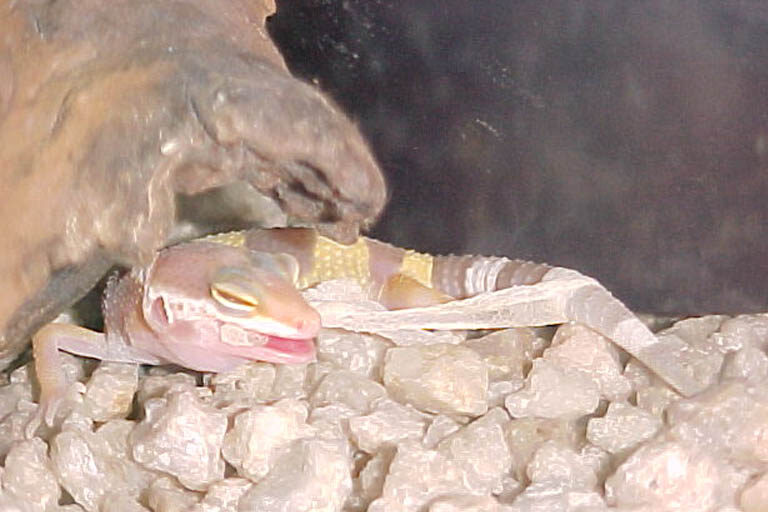
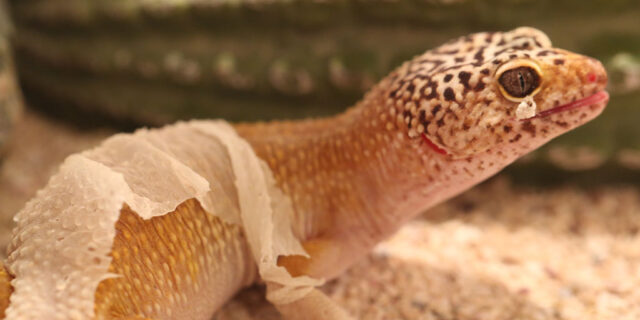
Leopard geckos, like many other reptiles, shed their skin regularly as they grow. However, unlike most reptiles, leopard geckos engage in a unique behavior: they consume their shed skin. This process is scientifically referred to as ceratophagia, which translates to “horn eating” — a phenomenon where animals consume their sloughed-off skin or keratin-based structures. While … Read More

Leopard Gecko Feeding Behavior- A Comprehensive Guide

Leopard Gecko Feeding Behavior- A Comprehensive Guide

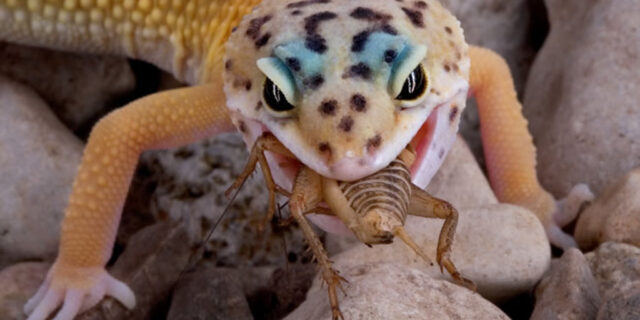
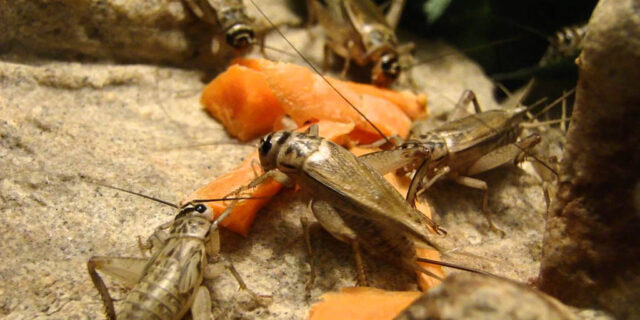
Leopard geckos are insectivores, relying heavily on insects for nutrition. In the wild, their diet includes insects like crickets and mealworms, along with spiders and occasionally small mammals. These reptiles are also nocturnal, meaning they’re most active and prefer to hunt at night. To mimic their natural hunting patterns, it’s best to feed leopard geckos … Read More

How to Maintain the Right Humidity for Your Leopard Gecko?

How to Maintain the Right Humidity for Your Leopard Gecko?

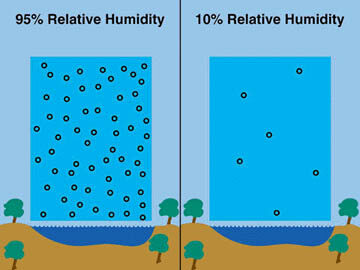
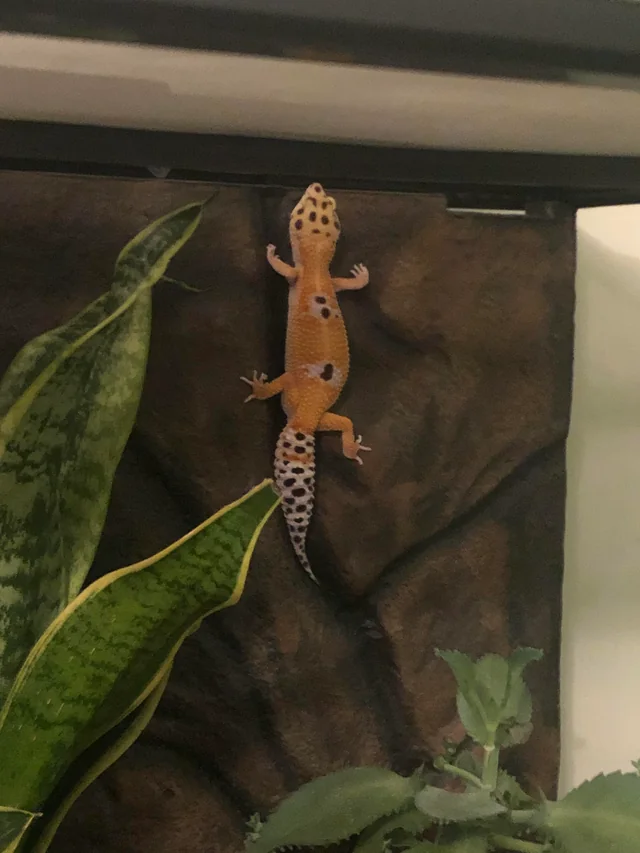
There are two main environmental variables Leopard gecko keepers need to ensure (e.g. temperature and light), but what about humidity? The humidity is basically the amount of water, in the form of vapour, in the air. In more technical terms it can be expressed as the relative humidity which is the amount of vapour in the … Read More

Leopard Gecko Breeding Behavior – A Complete Overview

Leopard Gecko Breeding Behavior – A Complete Overview

Leopard geckos exhibit fascinating and sometimes unusual breeding behaviors, especially when adult males and females are kept together. This behavior typically unfolds at night during the breeding season, where complex interactions reveal much about their natural instincts. Understanding these behaviors provides insight into their reproductive process and can be essential for responsible breeding practices. Introduction … Read More

Managing Intestinal Impactions in Leopard Geckos

Managing Intestinal Impactions in Leopard Geckos

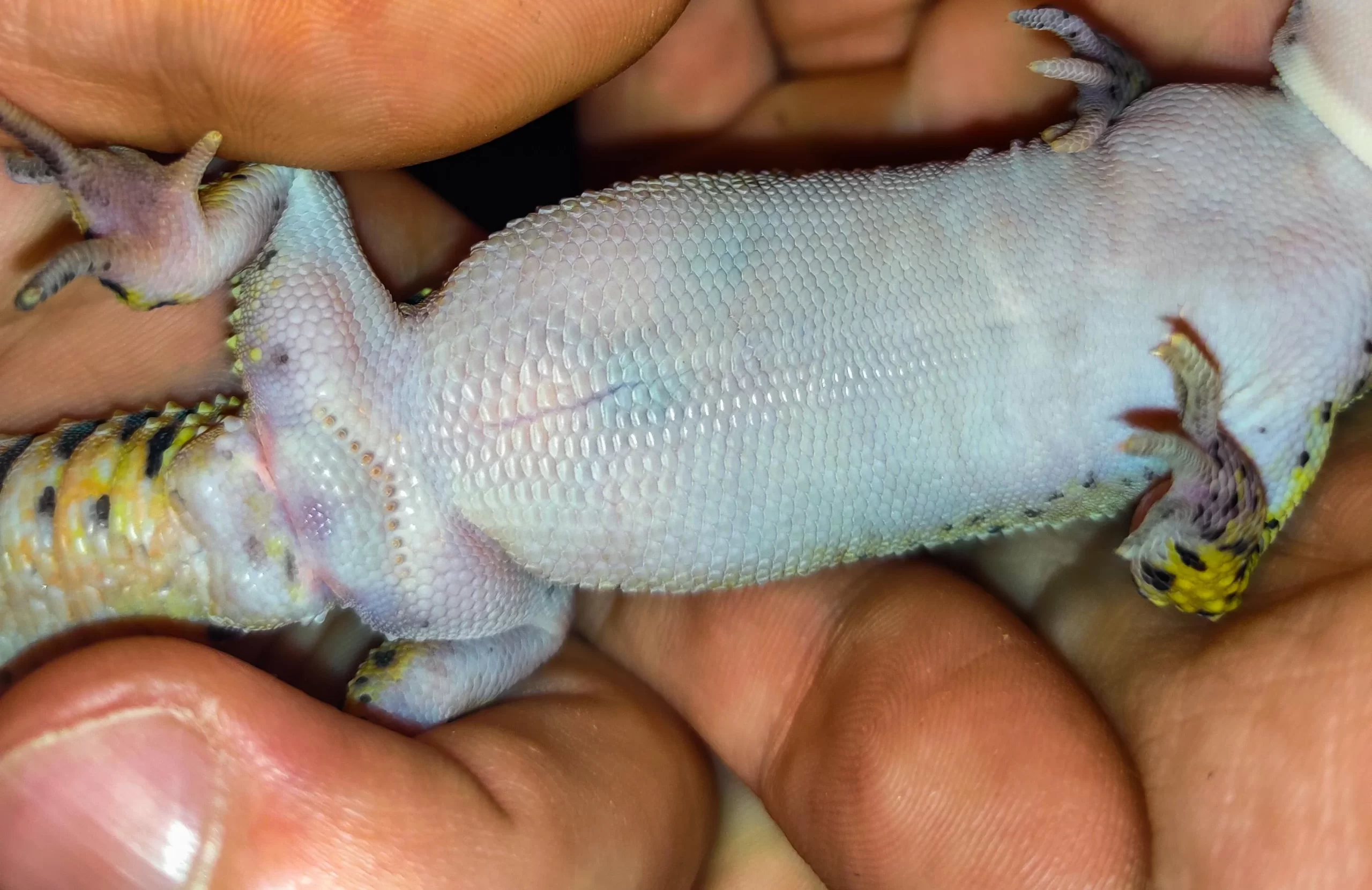
Impactions and obstructions are seen when the intestines get blocked. Leopard geckos are often affected by sand impactions. Introduction to intestinal impactions and obstructions of Leopard geckos An intestinal impaction is where the intestines get filled up. This prevents food from passing, ultimately leading to intestinal obstruction (or a blockage). It results in pain, inability … Read More

Leopard Gecko Shedding Issues – Solutions for Healthy Skin

Leopard Gecko Shedding Issues – Solutions for Healthy Skin

Abnormal skin shedding in Leopard geckos (also known as dysecdysis) is usually an indication that something else is wrong. This post discusses what abnormal skin shedding looks like in Leopard geckos and point out its most common reasons. Leopard geckos shed the outer parts of their skin as they grow. Skin shedding (also called ecdysis or molting) is … Read More

Gut-Loading – Essential Supplementation for Leopard Geckos

Gut-Loading – Essential Supplementation for Leopard Geckos

Leopard geckos (Eublepharis macularius) are one of the most popular pet lizards kept worldwide. Their easygoing nature, modest size, and simple care requirements make them an excellent “beginner” lizard. However, that doesn’t mean their care should be taken lightly. Like all captive animals, leopard geckos have specific dietary needs in order to stay healthy. One … Read More

Choosing the Best Thermometer for Your Leopard Gecko Habitat

Choosing the Best Thermometer for Your Leopard Gecko Habitat

Maintaining proper temperature in your leopard gecko’s habitat is essential for their health, comfort, and overall well-being. Experienced reptile keepers and veterinary experts emphasize that precise temperature control can make the difference between a thriving pet and one that may face health challenges. In this guide, we’ll walk you through everything you need to know … Read More