Legal advice & case studies.

Mite Infestations in Leopard Geckos – Prevention and Control

Mite Infestations in Leopard Geckos – Prevention and Control

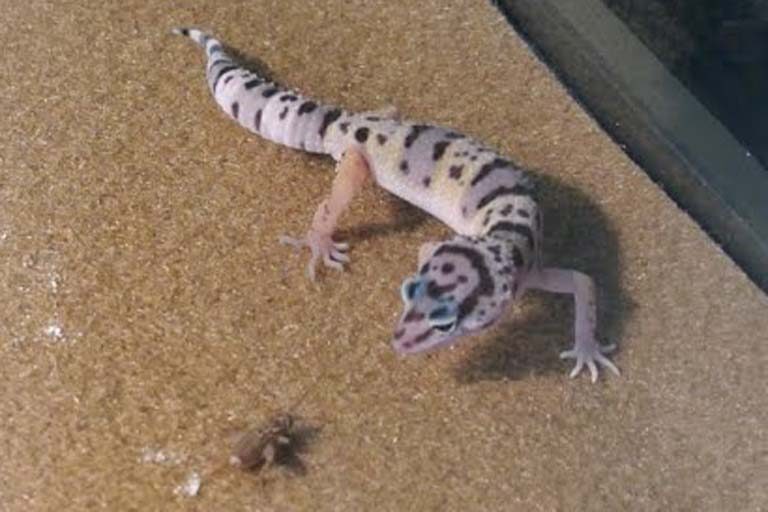
Mite infestations (ascariasis and ‘black skin disease’) are commonly seen in reptiles, including Leopard geckos, and can spread from one reptile to others. Introduction to Leopard gecko mites Mites are small arthropods belonging to the class Arachnida (the same class as spiders) and, together with ticks, to the subclass Acari. They are eight-legged organisms that … Read More

Dealing with Shedding Problems in Leopard Geckos

Dealing with Shedding Problems in Leopard Geckos

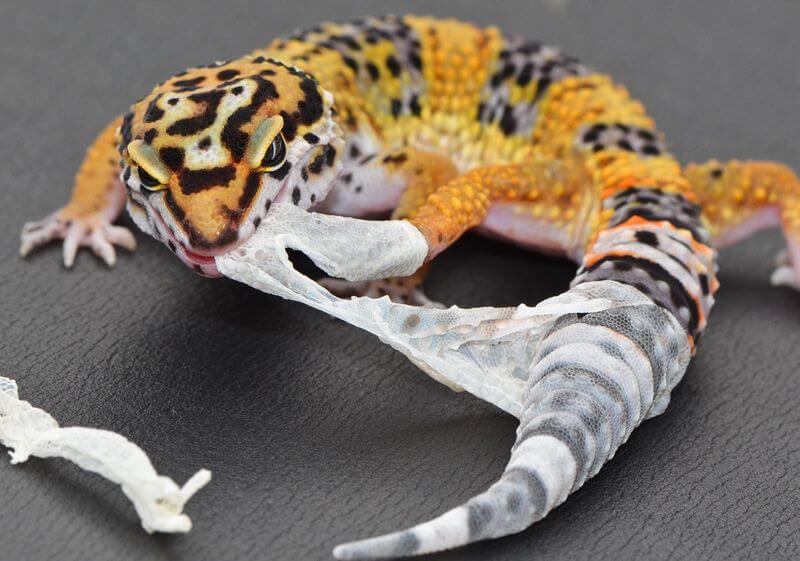
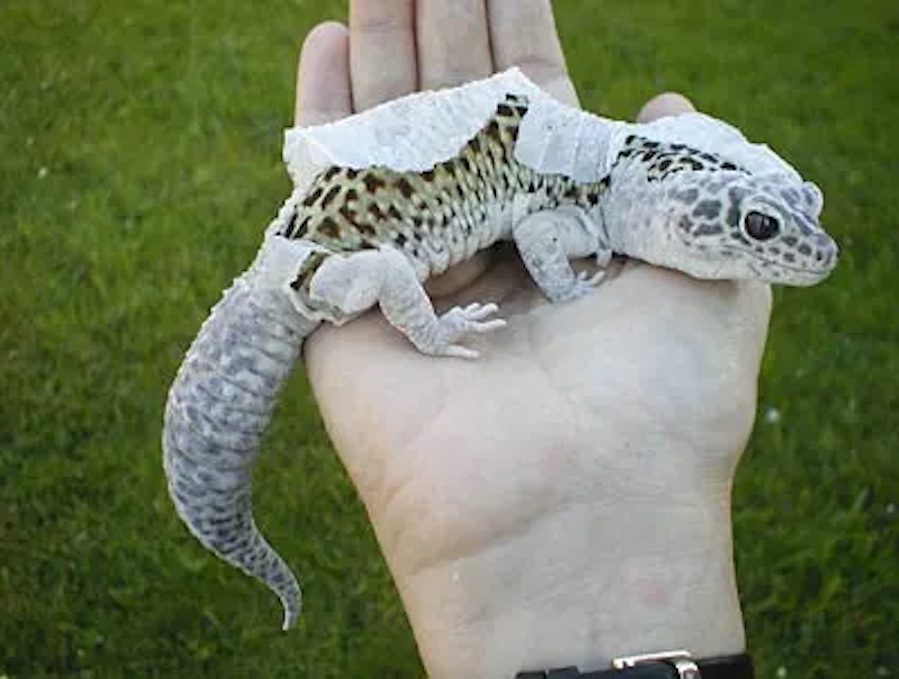
Leopard geckos, like many reptiles, periodically shed their skin as part of their natural growth cycle. This process, called ecdysis, occurs more frequently in younger geckos as they grow rapidly, with adults shedding less often. Typically, baby and juvenile leopard geckos shed every 10 to 14 days, while adult geckos shed every 4 to 8 … Read More

Leopard Gecko Shedding Guide – Healthy Skin Care Tips

Leopard Gecko Shedding Guide – Healthy Skin Care Tips

Leopard geckos shed the outer parts of their skin as they grow. Skin shedding happens from time to time and is more frequently seen in babies and juveniles. Introduction to skin shedding in Leopard geckos For reptiles, shedding the outer parts of their skins are normal. Initially, the skin will turn white to grey (dull) … Read More

Leopard Gecko Quarantine – Why It Important and How Long?

Leopard Gecko Quarantine – Why It Important and How Long?

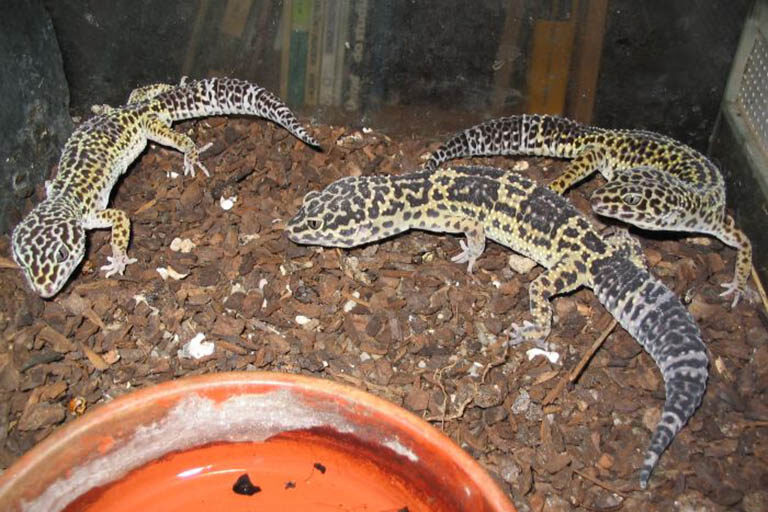
Quarantining Leopard geckos is a critical practice, especially for new arrivals or when there’s exposure to disease. Leopard gecko owners should understand the quarantine process to protect not only their pets but also other animals and humans in the household. Leopard Gecko Quarantine Quarantine is a form of isolation aimed at preventing the spread of … Read More

Decoding Tongue Flicking in Leopard Geckos – What It Means

Decoding Tongue Flicking in Leopard Geckos – What It Means

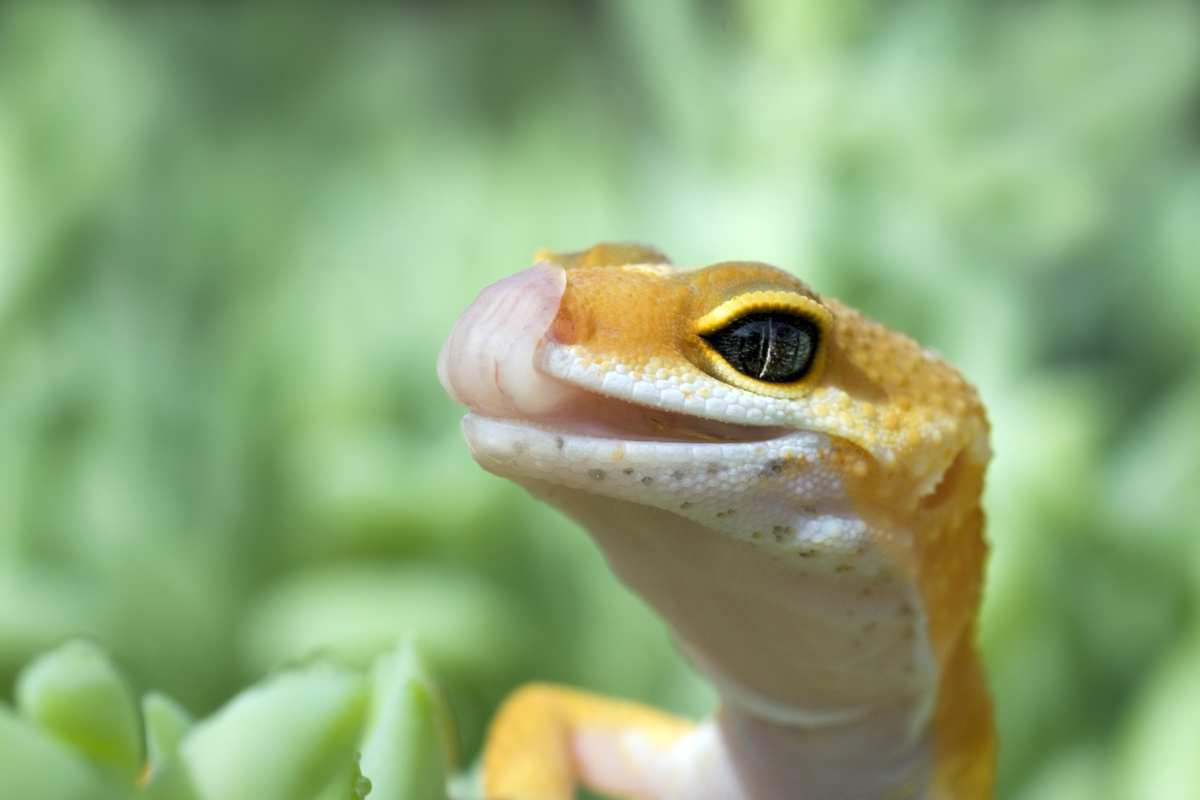
Leopard geckos are fascinating reptiles that use their tongues in some interesting ways. One behavior you may notice is tongue flicking, where a gecko quickly flicks its tongue in and out of its mouth. This serves an important purpose for the gecko. Let’s take a closer look at leopard geckos Tongue flicking behaviour, what information … Read More

Top 5 Sounds Leopard Geckos Make – Understanding Their Communication

Top 5 Sounds Leopard Geckos Make – Understanding Their Communication

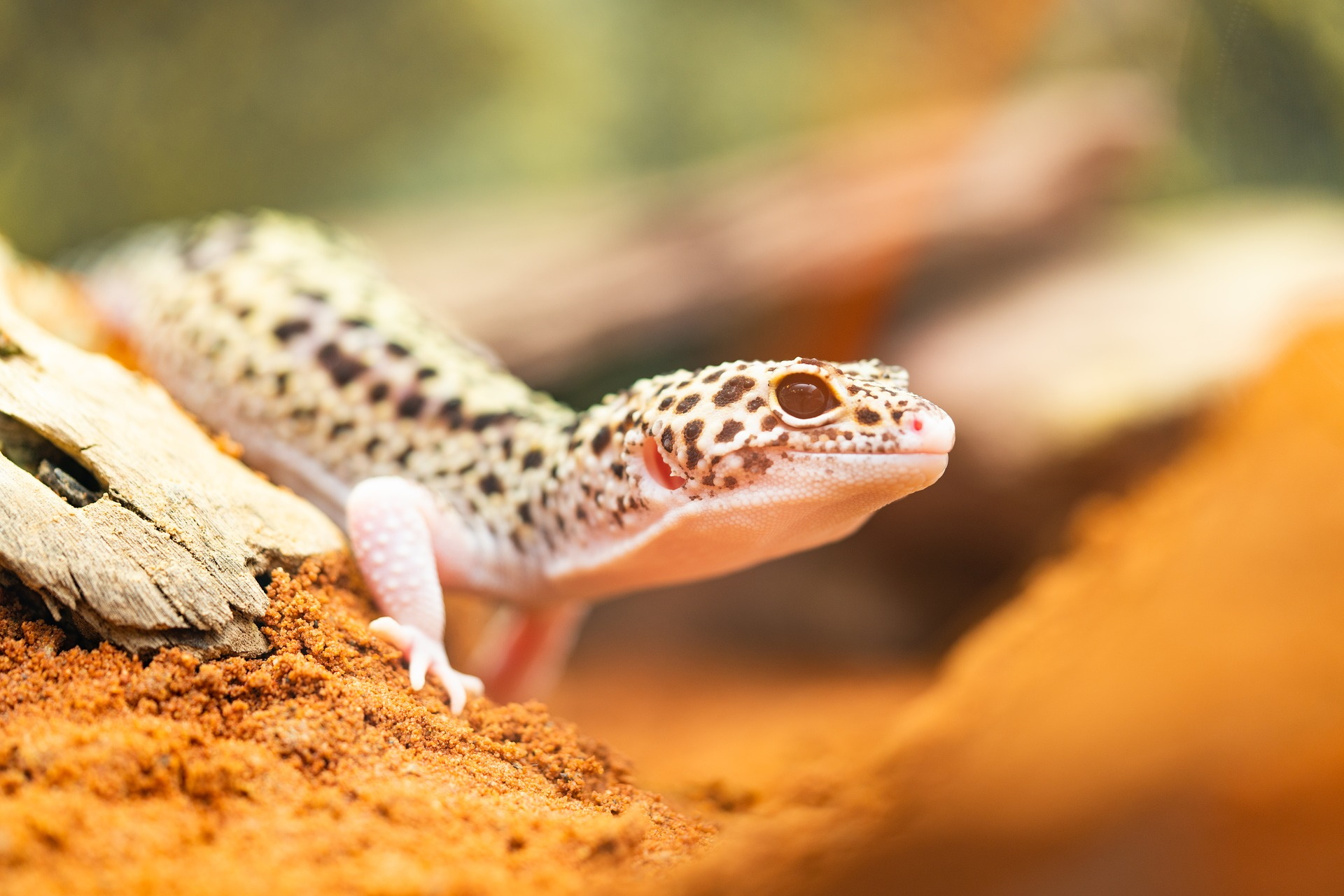
Leopard geckos are popular pet lizards known for their docile nature, ease of care, and wide range of morphs and colors. These geckos communicate through body language and vocalizations. While leopard geckos are usually quite quiet, they can make various noises to express different emotions and needs. Understanding these noises can help provide better care … Read More

Feeding Silkworms to Leopard Geckos- A Comprehensive Guide

Feeding Silkworms to Leopard Geckos- A Comprehensive Guide

Silkworms, also known as “silkies,” are the larval stage of the Mulberry silkmoth (Bombyx mori). These caterpillars are cultivated on both small and commercial scales, primarily for their silk production capabilities. However, silkworms also serve as a nutritious food source for leopard geckos and other reptiles. Known for their high protein content and low-fat composition, … Read More